




Description
Basic introduction
MOTS-c is a 16-amino-acid peptide described in research on mitochondrial-derived signaling. Its sequence is associated with the mitochondrial 12S rRNA region, and early investigations examined cellular metabolism and mouse metabolic models.
A mitochondrial origin does not mean that every experimental effect occurs inside mitochondria. The research connects a defined peptide to broader metabolic measurements that depend on the biological model and study conditions.
Mechanism of action · Research context
Mitochondrial-derived sequence
MOTS-c is studied as a mitochondrial-derived peptide. Sequence confirmation provides the starting point for comparison with the material used in published experiments.
Metabolic pathway changes
Early studies examined folate and purine-related metabolism. These observations linked peptide exposure to changes in cellular metabolic pathways rather than establishing a single direct receptor mechanism.
AMPK-associated responses
AMPK-related signaling featured in the original research. Such signaling measurements should be considered alongside the measured metabolic phenotype rather than treated as a complete explanation of every effect.
Extended research considerations
Cellular metabolic assays
Specify whether the endpoint concerns metabolites, signaling or energy use. Different assay types capture different stages of the response and may not change in parallel.
Animal-model context
The original work included mouse metabolic experiments. Results from those models should remain distinct from claims about human exercise performance or weight management.
Comparative material quality
Compare the actual peptide sequence, content and analytical profile. Shared mitochondrial-research terminology does not make MOTS-c interchangeable with SS-31 or a cofactor such as NAD+.
Material and packaging
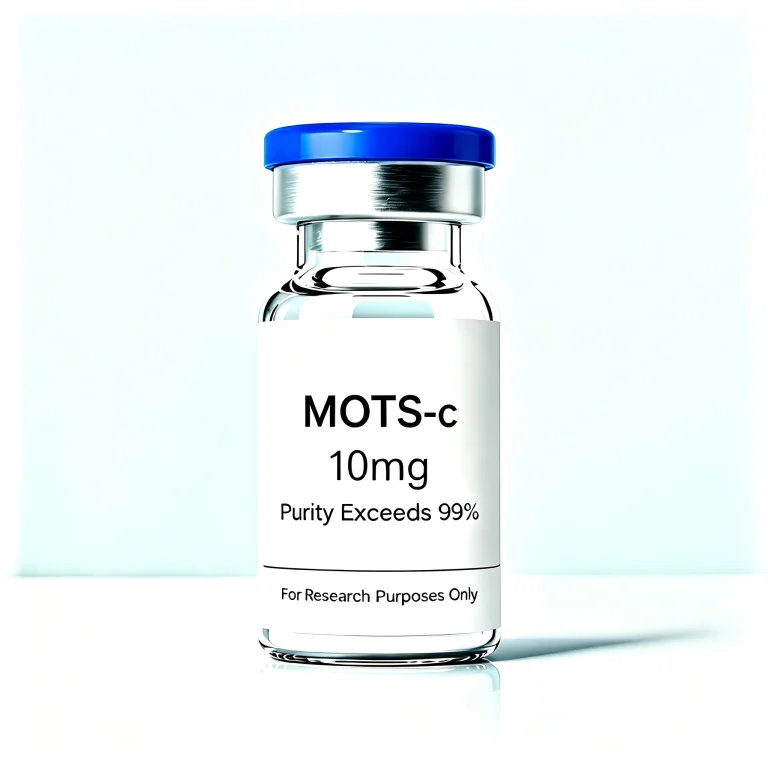
Listed appearance: White Lyophilized Powder.
Available kit specifications: 10 mg × 10 vials; 20 mg × 10 vials; 40 mg × 10 vials. Select an option above to view its current price and availability.
Storage and handling
Source-listed storage condition: Store at -20°C (Protect from light and moisture). Follow the handling instructions supplied with the actual batch and your laboratory's procedures.
Analytical documentation
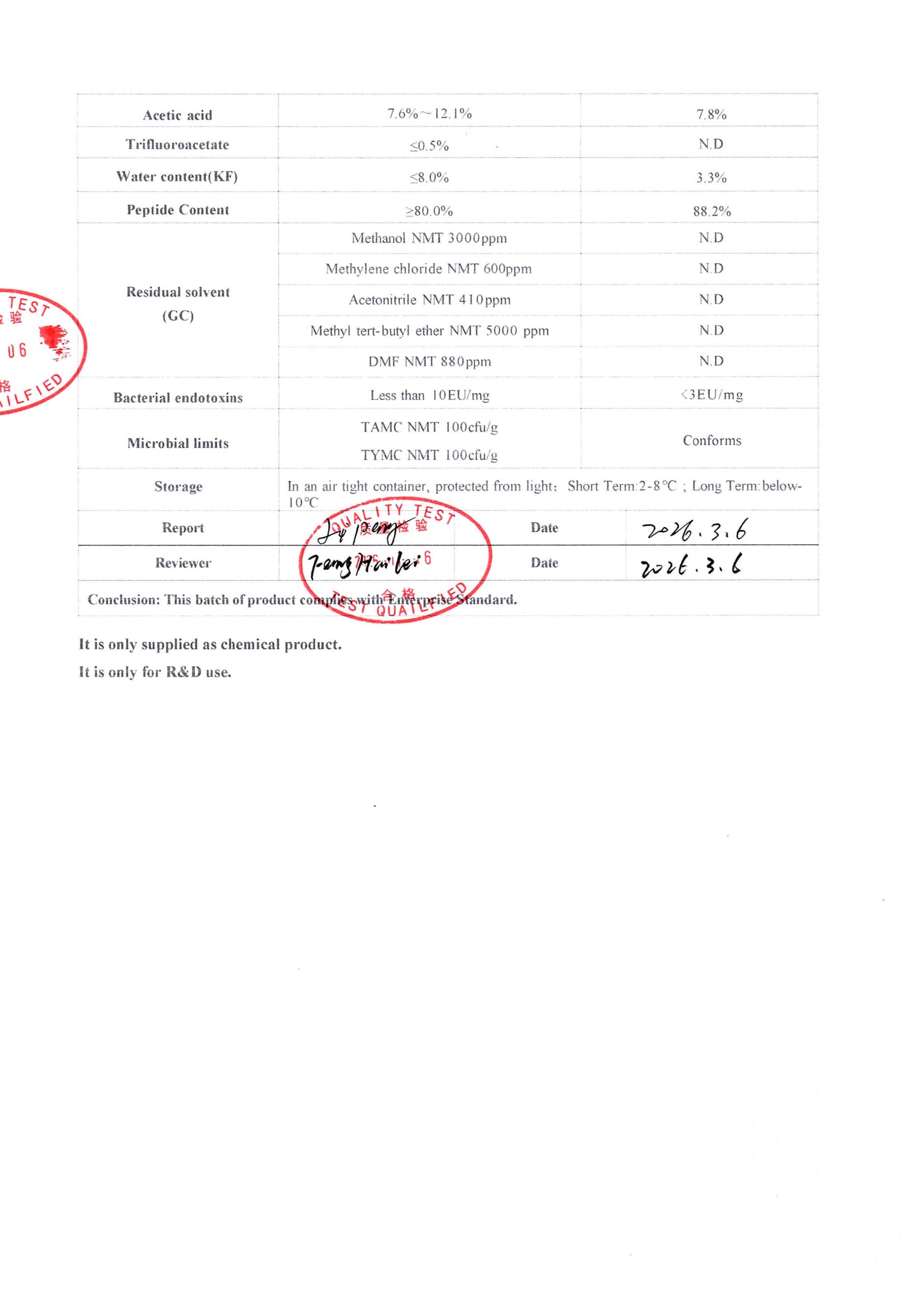
Reference analytical documents are available with this listing. Check the material identity, batch number and test date against the batch supplied; contact us for current batch documentation.
Scientific references
These publications describe the studied molecules and experimental models. They do not certify the identity, quality or effects of a particular supplied batch.
- Original MOTS-c metabolic research (Cell Metabolism, 2015)
 View report
 View report
Marlow Tovey –
Human MOTS-C acts as my core research compound for energy metabolism, insulin sensitivity and aging mitochondrial repair pathway studies. Its natural neutral pH range of 5.0–7.0 maintains molecular integrity after reconstitution, and mixed working peptide solution stays transparent for multiple refrigerated testing cycles. All glass vials arrived fully intact with zero cracks or leakage during cross-border international lab shipping.
Elowen Frost –
This 10-vial bulk kit includes a steep limited-time promotional discount that drastically cuts my monthly lab raw material expenditure. Vial-to-vial powder texture, peptide concentration and HPLC purity show zero measurable deviation, making all my mitochondrial regeneration experimental data highly repeatable across separate test batches.
Kai Oakley –
My lab focuses on insulin sensitivity cell testing, MS10 keeps all dose-response curves smooth and repeatable. Uniform peptide strength means I never need to tweak dosing volumes mid-experiment. Bulk 10-vial packs fit my regular repeated testing cycles perfectly.
Cedric Rhea –
Beyond mouse fat metabolism trials, I also run oxidative stress and muscle energy research with MS10 MOTS-C. Its mild neutral pH works with all serum-free cell culture liquids, cutting my daily pre-test preparation time nearly in half. It generates far steadier mitochondrial signals than cheap generic MOTS-C peptides.
Ulric Foster –
International bulk shipping packaging uses custom individual shock-absorbent foam dividers to isolate each glass vial and prevent collision breakage during long overseas transit. I’ve placed four separate cross-border bulk orders so far, and zero vials arrived cracked, chipped, leaking or contaminated upon delivery to my research facility.