

Description
Basic introduction
MOTS-c is a 16-amino-acid peptide described in research on mitochondrial-derived signaling. Its sequence is associated with the mitochondrial 12S rRNA region, and early investigations examined cellular metabolism and mouse metabolic models.
A mitochondrial origin does not mean that every experimental effect occurs inside mitochondria. The research connects a defined peptide to broader metabolic measurements that depend on the biological model and study conditions.
Mechanism of action · Research context
Mitochondrial-derived sequence
MOTS-c is studied as a mitochondrial-derived peptide. Sequence confirmation provides the starting point for comparison with the material used in published experiments.
Metabolic pathway changes
Early studies examined folate and purine-related metabolism. These observations linked peptide exposure to changes in cellular metabolic pathways rather than establishing a single direct receptor mechanism.
AMPK-associated responses
AMPK-related signaling featured in the original research. Such signaling measurements should be considered alongside the measured metabolic phenotype rather than treated as a complete explanation of every effect.
Extended research considerations
Cellular metabolic assays
Specify whether the endpoint concerns metabolites, signaling or energy use. Different assay types capture different stages of the response and may not change in parallel.
Animal-model context
The original work included mouse metabolic experiments. Results from those models should remain distinct from claims about human exercise performance or weight management.
Comparative material quality
Compare the actual peptide sequence, content and analytical profile. Shared mitochondrial-research terminology does not make MOTS-c interchangeable with SS-31 or a cofactor such as NAD+.
Material and packaging
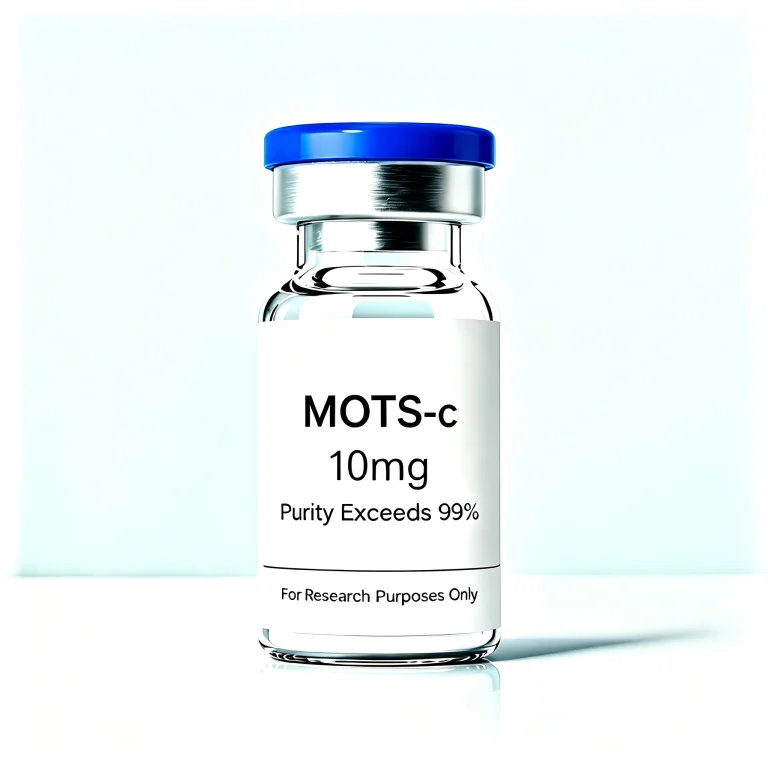
Listed appearance: White Lyophilized Powder.
Available kit specifications: 10 mg × 10 vials; 20 mg × 10 vials; 40 mg × 10 vials. Select an option above to view its current price and availability.
Storage and handling
Source-listed storage condition: Store at -20°C (Protect from light and moisture). Follow the handling instructions supplied with the actual batch and your laboratory's procedures.
Analytical documentation
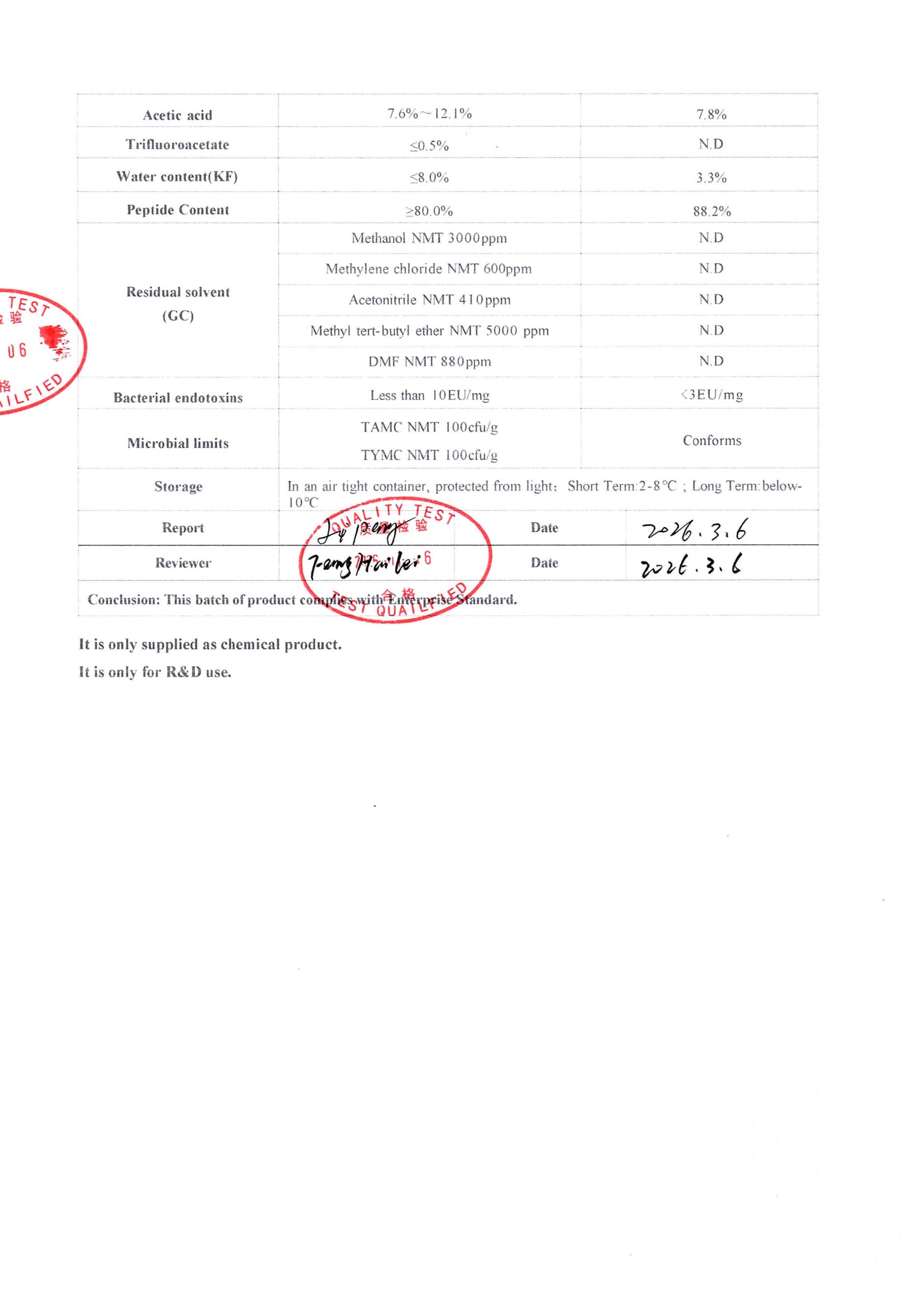
Reference analytical documents are available with this listing. Check the material identity, batch number and test date against the batch supplied; contact us for current batch documentation.
Scientific references
These publications describe the studied molecules and experimental models. They do not certify the identity, quality or effects of a particular supplied batch.
- Original MOTS-c metabolic research (Cell Metabolism, 2015)
 View report
 View report
Talia Voss –
This human MOTS-C peptide expands my lab’s research scope far beyond basic fitness fat loss analysis. I also utilize it for age-related mitochondrial dysfunction in-vitro cell culture trials, and its neutral 5.0–7.0 pH range removes the extra step of mixing neutralizing buffer additives into my cell culture media formulations.
Sage Maeve –
My university lab requires individual HPLC purity certificates for each vial for audit and research paper submission. Support sent separate certified chromatogram reports for every bottle within 24 hours. All samples reach above 99% purity with no unknown impurity peaks, so I skipped extra control validation tests.
Vada Quinton –
A new trainee mistakenly placed an MS10 vial in a frost-free freezer zone with frequent temperature swings for two days. Post-testing revealed massive loss of biological activity, reinforcing strict stable frozen dark storage rules. I posted clear handling instructions above my peptide shelf to avoid repeat mistakes.
Ulric Mason –
International bulk shipping packaging uses custom individual shock-absorbent foam dividers to separate each glass vial and prevent collision breakage during long overseas transit. I have placed four separate cross-border bulk orders so far, and zero vials arrived cracked, chipped, leaking or contaminated upon delivery to my research facility.
Lior Ross –
A lab intern left an unopened vial under bench lights for two full days, its mitochondrial activation ability dropped sharply after testing. After I moved all MS10 stock into opaque freezer bins, my assay repeatability score improved noticeably. Other peptide vendors barely remind users about light degradation risks.