

Description
Basic introduction
MOTS-c is a 16-amino-acid peptide described in research on mitochondrial-derived signaling. Its sequence is associated with the mitochondrial 12S rRNA region, and early investigations examined cellular metabolism and mouse metabolic models.
A mitochondrial origin does not mean that every experimental effect occurs inside mitochondria. The research connects a defined peptide to broader metabolic measurements that depend on the biological model and study conditions.
Mechanism of action · Research context
Mitochondrial-derived sequence
MOTS-c is studied as a mitochondrial-derived peptide. Sequence confirmation provides the starting point for comparison with the material used in published experiments.
Metabolic pathway changes
Early studies examined folate and purine-related metabolism. These observations linked peptide exposure to changes in cellular metabolic pathways rather than establishing a single direct receptor mechanism.
AMPK-associated responses
AMPK-related signaling featured in the original research. Such signaling measurements should be considered alongside the measured metabolic phenotype rather than treated as a complete explanation of every effect.
Extended research considerations
Cellular metabolic assays
Specify whether the endpoint concerns metabolites, signaling or energy use. Different assay types capture different stages of the response and may not change in parallel.
Animal-model context
The original work included mouse metabolic experiments. Results from those models should remain distinct from claims about human exercise performance or weight management.
Comparative material quality
Compare the actual peptide sequence, content and analytical profile. Shared mitochondrial-research terminology does not make MOTS-c interchangeable with SS-31 or a cofactor such as NAD+.
Material and packaging
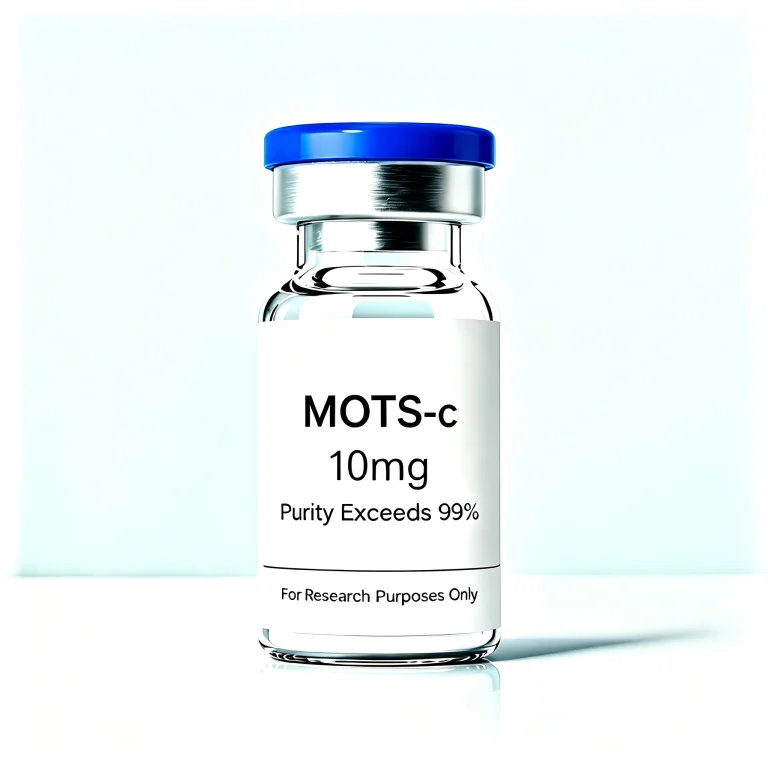
Listed appearance: White Lyophilized Powder.
Available kit specifications: 10 mg × 10 vials; 20 mg × 10 vials; 40 mg × 10 vials. Select an option above to view its current price and availability.
Storage and handling
Source-listed storage condition: Store at -20°C (Protect from light and moisture). Follow the handling instructions supplied with the actual batch and your laboratory's procedures.
Analytical documentation
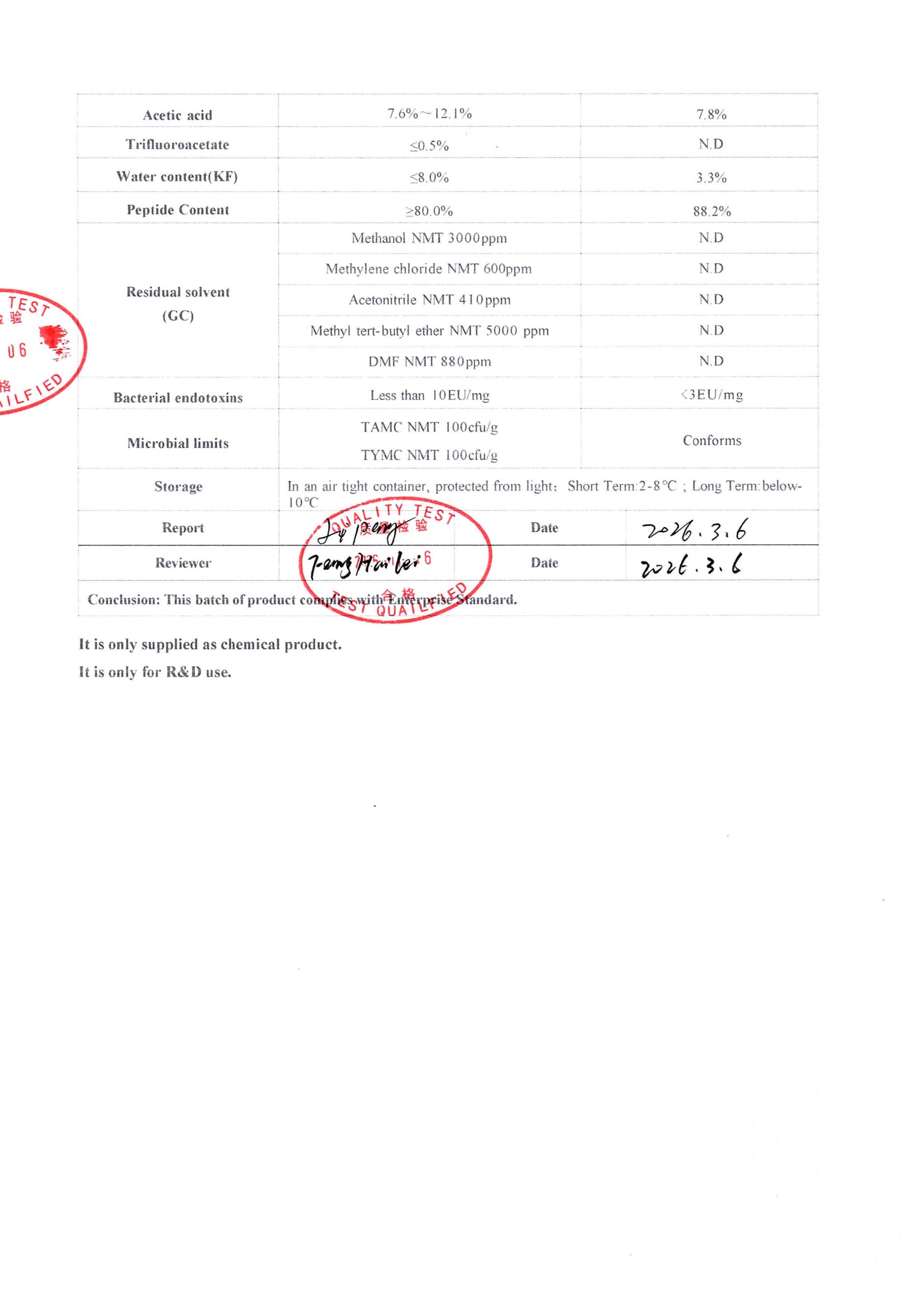
Reference analytical documents are available with this listing. Check the material identity, batch number and test date against the batch supplied; contact us for current batch documentation.
Scientific references
These publications describe the studied molecules and experimental models. They do not certify the identity, quality or effects of a particular supplied batch.
- Original MOTS-c metabolic research (Cell Metabolism, 2015)
 View report
 View report
Vada Mace –
Advanced industrial recrystallization lyophilization creates ultra-fine free-flowing white powder without hard compacted sediment chunks settled at the vial bottom. When I only require tiny microgram-level samples for early preliminary metabolic screening assays, I can extract partial dry powder without fully reconstituting the entire vial to conserve expensive MS10 lab stock.
Vada Oakley –
Advanced recrystallization lyophilization creates ultra-fine free-flowing white powder without hard compacted sediment chunks at the vial bottom. When I only need tiny microgram-level samples for early preliminary metabolic screening assays, I can extract partial dry powder without fully reconstituting the entire vial to save expensive MS10 lab stock.
Juno Sloane –
The listed CAS registry number, molecular formula and 2174.59 Da molecular weight align exactly with authoritative peer-reviewed biochemical reference databases. This lab-grade MS10 MOTS-C contains no inert bulking fillers or fragmented peptide fragments, and steady -20°C dark storage blocks photo-oxidation that damages its mitochondrial signaling amino acid structure.
Finn Kade –
Every international bulk shipment uses custom foam separators to shield each glass vial individually. I’ve completed four cross-border orders over the year, zero bottles arrived cracked, leaking or contaminated. Insulated packaging holds steady low transit temperatures to stop premature peptide breakdown during delivery.
Maisie Vale –
I tested four different MOTS-C products side by side, MS10 produces the most consistent fat oxidation test results. Its molecular parameters match our lab reference database perfectly, I skip extra ingredient identity verification steps. I only reconstitute one vial weekly to avoid wasting diluted liquid that loses potency fast at room temperature.