
Description
Basic introduction
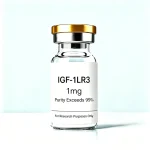
IGF-1 LR3 is a modified insulin-like growth factor analog. Its sequence includes an N-terminal extension and an amino-acid substitution, distinguishing it from native IGF-1 and making molecular identity an important part of the specification.
The research context includes receptor-mediated cellular responses and interactions with IGF-binding proteins. Binding proteins, assay medium and cell type can all influence the response, so the analog should not be described as a universally stronger version of native IGF-1.
Mechanism of action · Research context
IGF receptor context
IGF-1 LR3 is investigated through IGF-related receptor responses. A receptor assay provides a defined functional endpoint, separate from growth, differentiation or survival measured in a complete cell preparation.
Binding-protein interaction
The analog has altered interactions with IGF-binding proteins. Primary granulosa-cell research compared native IGF-1 and analogs in the presence of binding proteins, demonstrating the importance of the surrounding experimental system.
Medium-dependent response
The available fraction depends on the assay environment. Different binding-protein conditions can change a comparison between analogs without changing the identity of the compounds being tested.
Extended research considerations
Growth and viability readouts
Cell number, proliferation markers and survival measure different responses. Separating them helps avoid interpreting a larger final cell population as evidence for one particular signaling mechanism.
Structural characterization
Confirm the extended sequence and expected molecular identity. The LR3 designation and a purity percentage alone do not establish correct folding or functional receptor activity.
Solution compatibility
Use material-specific compatibility evidence for the intended assay. A generic acidic-solvent recommendation cannot establish recovery or activity across all protein preparations and media.
Material and packaging
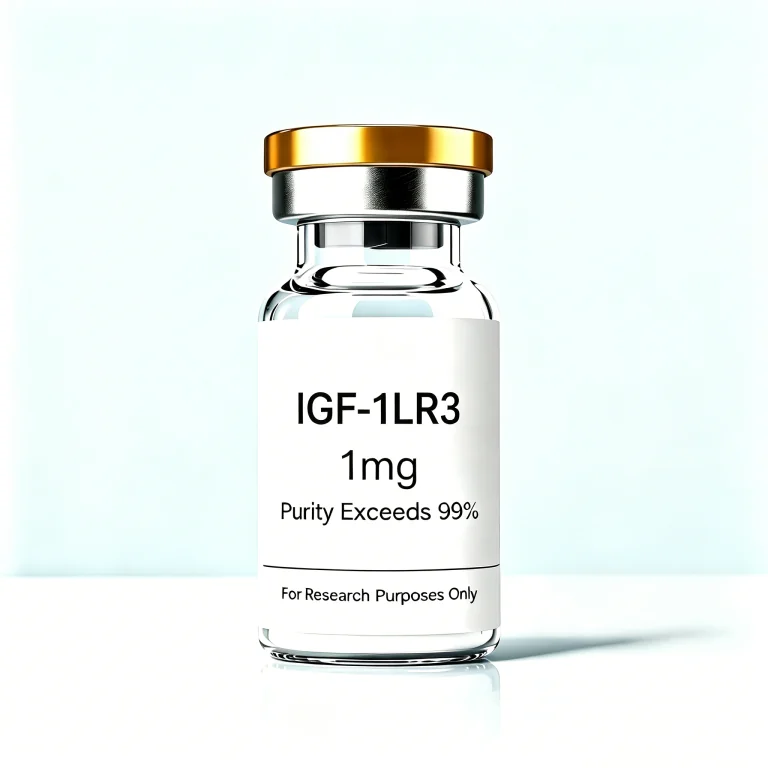
Listed appearance: White Lyophilized Powder.
Available kit specifications: 0.1 mg × 10 vials; 1 mg × 10 vials. Select an option above to view its current price and availability.
Storage and handling
Source-listed storage condition: Store at 20°C to 25°C (Do not freeze). Follow the handling instructions supplied with the actual batch and your laboratory's procedures.
Analytical documentation
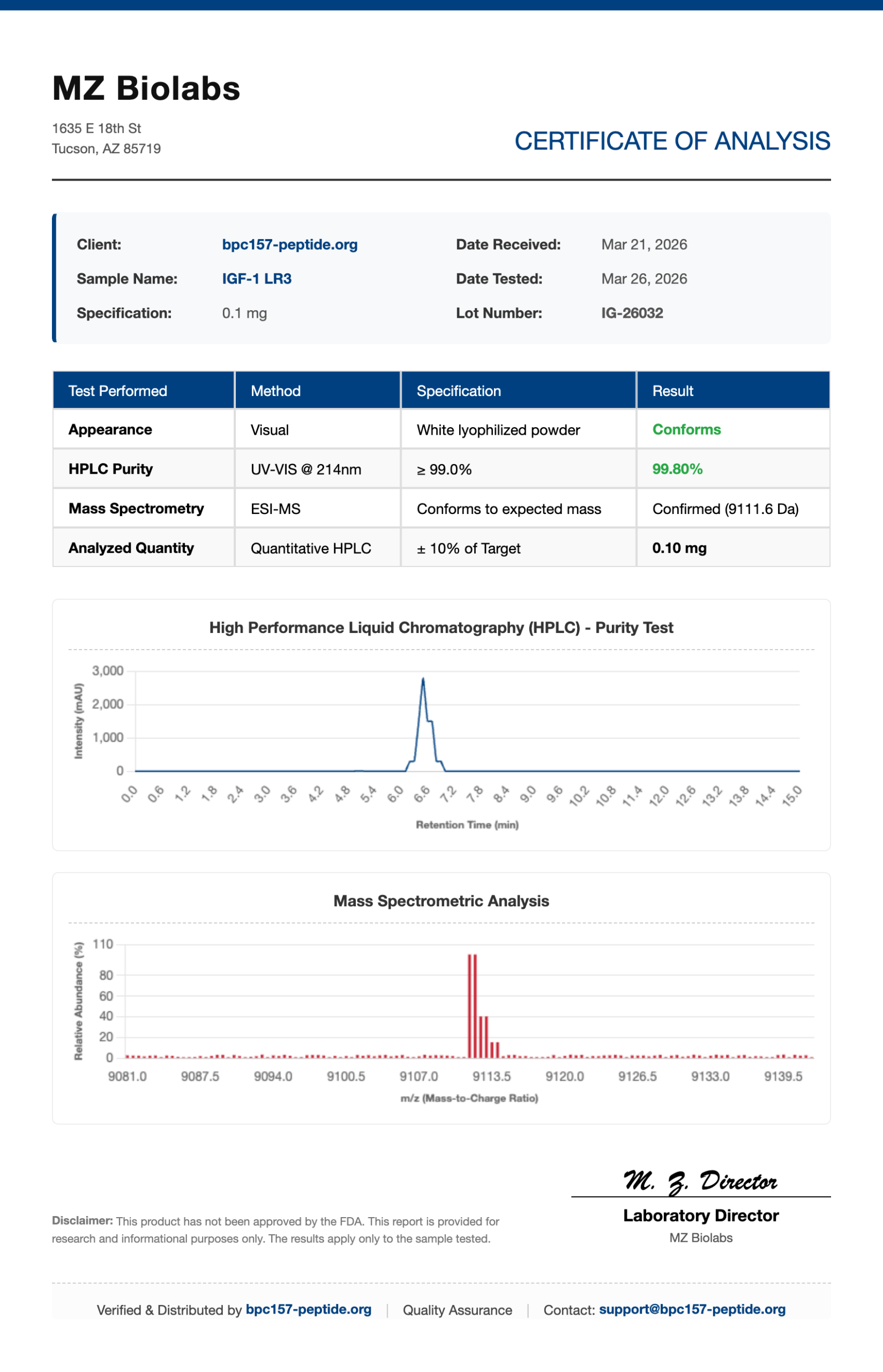
Reference analytical documents are available with this listing. Check the material identity, batch number and test date against the batch supplied; contact us for current batch documentation.
Scientific references
These publications describe the studied molecules and experimental models. They do not certify the identity, quality or effects of a particular supplied batch.
- IGF analogs and binding proteins in granulosa-cell research
 View report
Ignis O. –
They supply two convenient specifications: 0.1mg and 1mg per vial. The 1mg vial is ideal for my medium-scale proliferation trials, letting me reconstitute just one vial per experiment to prevent wasting diluted IGF solution that quickly loses biological activity over time.
Hilda N. –
I’ve tested IGF-1 LR3 products from many suppliers for cell culture comparison, and this acetate-stabilized lyophilized version has far less glass-wall adhesion after mixing. Gentle slow swirling is enough to fully solubilize the powder; harsh shaking will break the long protein structure and ruin assay results.
Merrick S. –
I accidentally froze a spare vial during a fridge malfunction once, and the powder turned lumpy and failed solubility tests afterward. This really drives home how critical it is to follow the 20–25°C non-freezing storage guidance for this IGF-1 LR3 product.