
Description
Basic introduction
TB-500 is a catalog name used for thymosin-related research materials. Published work on full-length thymosin beta-4 provides a biological context, but the sequence of a supplied TB-500 material must be checked before treating the two as equivalent.
The relevant preclinical topics include actin-associated processes, cell migration and tissue-response models. A sequence-defined preparation and a clearly identified model are essential to interpreting these experiments.
Mechanism of action · Research context
Actin-associated processes
Thymosin beta-4 is associated with actin biology. This provides a mechanistic background for studying cell structure and movement, but does not identify the sequence of a product sold under a different catalog label.
Cell migration models
Full-length thymosin beta-4 has been examined in migration assays. Work in corneal cells investigated signaling and actin-related responses in an experimental injury context.
Tissue-level studies
Tissue models involve more than a single cell response. Studies involving endothelial cells and experimental wounds measured repair-associated processes, with findings specific to the tested thymosin preparation.
Extended research considerations
Sequence confirmation
Request the sequence and molecular-mass information for the actual vial. Evidence for a full-length protein should not be transferred to a fragment solely because both are described as thymosin-related.
Migration versus proliferation
An increase in cell coverage may have several explanations. Distinguishing movement, proliferation and survival helps avoid assigning a single mechanism to a visually improved cell layer.
Combination experiments
BPC-157 and thymosin-related materials are separate research inputs. Studies of either component alone do not demonstrate the effect of an informal combination or a mixed product.
Material and packaging
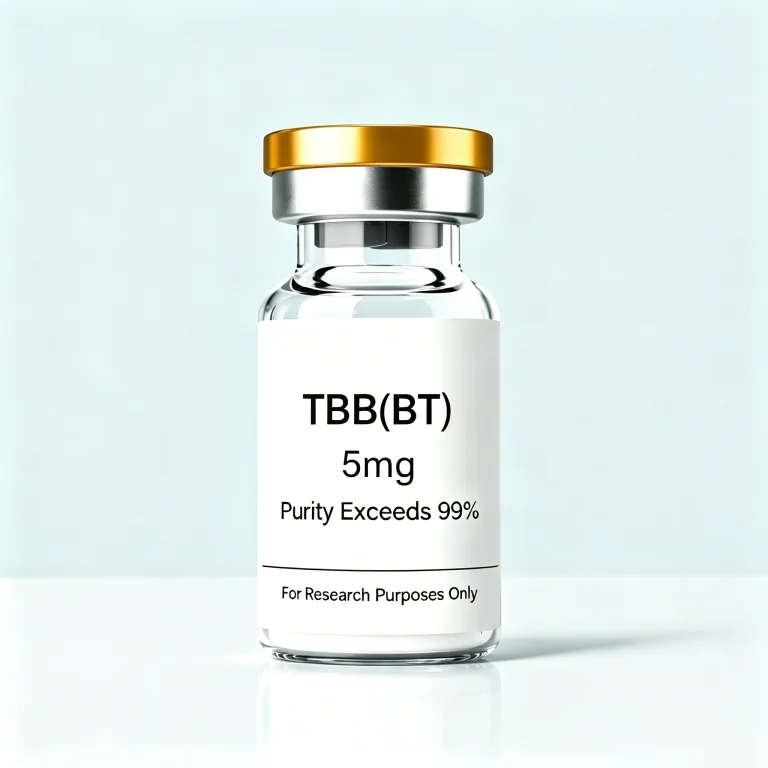
Listed appearance: White Lyophilized Powder.
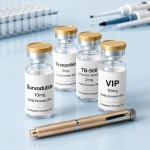
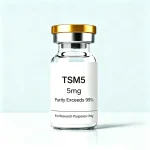
Available kit specifications: 2 mg × 10 vials; 5 mg × 10 vials; 10 mg × 10 vials. Select an option above to view its current price and availability.
Storage and handling
Source-listed storage condition: Store at -20°C (Protect from light and moisture). Follow the handling instructions supplied with the actual batch and your laboratory's procedures.
Analytical documentation
Reference analytical documents are available with this listing. Check the material identity, batch number and test date against the batch supplied; contact us for current batch documentation.
Scientific references
These publications describe the studied molecules and experimental models. They do not certify the identity, quality or effects of a particular supplied batch.
- Thymosin beta-4 in corneal-cell experiments
- Thymosin beta-4 in endothelial and wound models
 View report
Sterling Morris –
This 10-vial bulk pack includes a steep limited-time promotional discount that drastically cuts my monthly lab raw material procurement overhead. Vial-to-vial powder texture, peptide concentration and HPLC purity show zero measurable deviation, making all my vascular regeneration experimental data highly repeatable across separate test batches.
Cian Quin –
Three flexible dosage specifications (2mg, 5mg, 10mg per vial) fully cover all stages of my research workflow. The standard 5mg single vial fill size is calibrated for medium-scale in-vivo soft tissue recovery trials; I only reconstitute one vial per testing cycle to eliminate waste of costly diluted TB500 that rapidly loses biological potency once exposed to ambient light and room temperature.
Sterling Quin –
International bulk shipping packaging uses custom individual shock-absorbent foam dividers to isolate each glass vial and prevent collision breakage during long overseas transit. I’ve placed four separate cross-border bulk orders so far, and zero vials arrived cracked, chipped, leaking or contaminated upon delivery to my research facility.
Rhys Ross –
The optimized balanced acetate buffer blend drastically minimizes peptide adhesion to inner glass vial walls after dissolution. I recover nearly 100% of the labeled 5mg lyophilized powder mass from every vial, removing major dosing inaccuracies in quantitative endothelial cell binding and inflammatory tissue signaling research.
Kyran Tovey –
TB500 serves as my core lab compound for soft tissue injury recovery, microvascular regeneration and fitness performance pathway studies. The integrated acetate buffer locks pH within 4.0–6.0 to slow peptide denaturation post-reconstitution, and mixed working liquid stays transparent for multiple refrigerated testing cycles. All glass vials arrived fully intact with zero breakage during cross-border international lab shipping.