
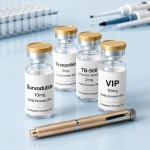
Description
Basic introduction
Adipotide is an experimental targeting peptide construct studied in adipose-tissue vascular models. Its design combines a targeting sequence with a cell-disrupting component, making it mechanistically distinct from incretin-receptor agonists.
The primary research includes obese nonhuman primates. These experimental observations provide a basis for mechanistic questions, but do not establish a generally safe or clinically validated weight-loss intervention.
Mechanism of action · Research context
Targeting component
The construct includes a tissue-targeting sequence. Experimental interpretation requires evidence that the relevant target is present and accessible in the model being studied.
Proapoptotic component
A second component is designed to affect cell survival. Target binding and subsequent cell injury are separate steps, so a binding result alone cannot establish the complete mechanism.
Vascular research model
The strategy focuses on adipose-associated vasculature. This is different from directly measuring appetite signaling or receptor-mediated incretin effects, despite a shared metabolic-research category.
Extended research considerations
Target and control tissues
Target specificity requires appropriate comparisons. Evaluate the intended tissue alongside relevant controls rather than assuming that a targeting sequence prevents responses elsewhere.
Cellular versus systemic outcomes
Changes in cell viability and whole-organism metabolism answer different questions. Measurements of either should be accompanied by the context needed to interpret the other.
Construct identity
Confirm both the targeting and effector portions. Sequence, linkage and analytical integrity are relevant to a multi-part construct and cannot be inferred from a general peptide-purity statement.
Material and packaging
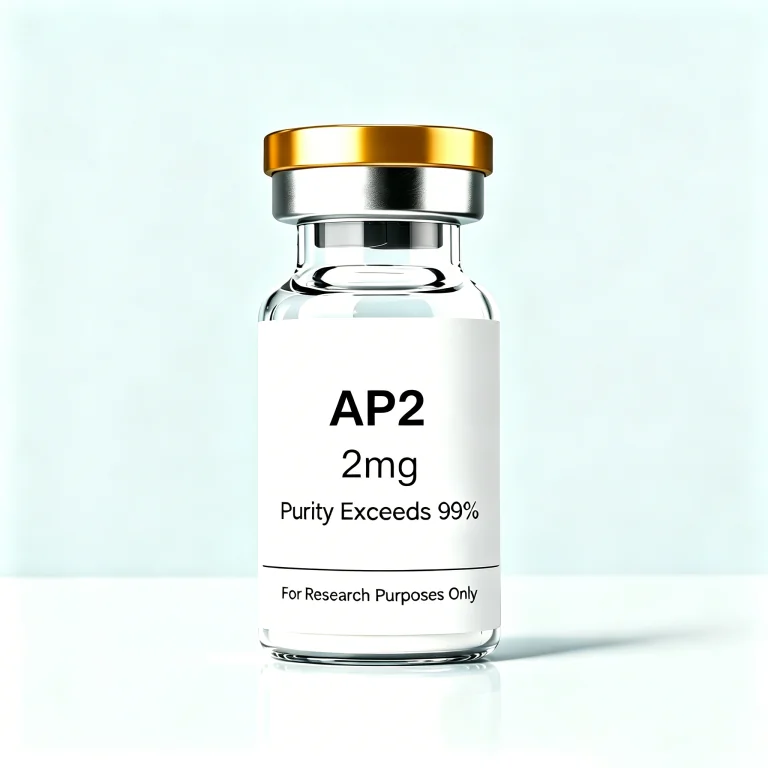
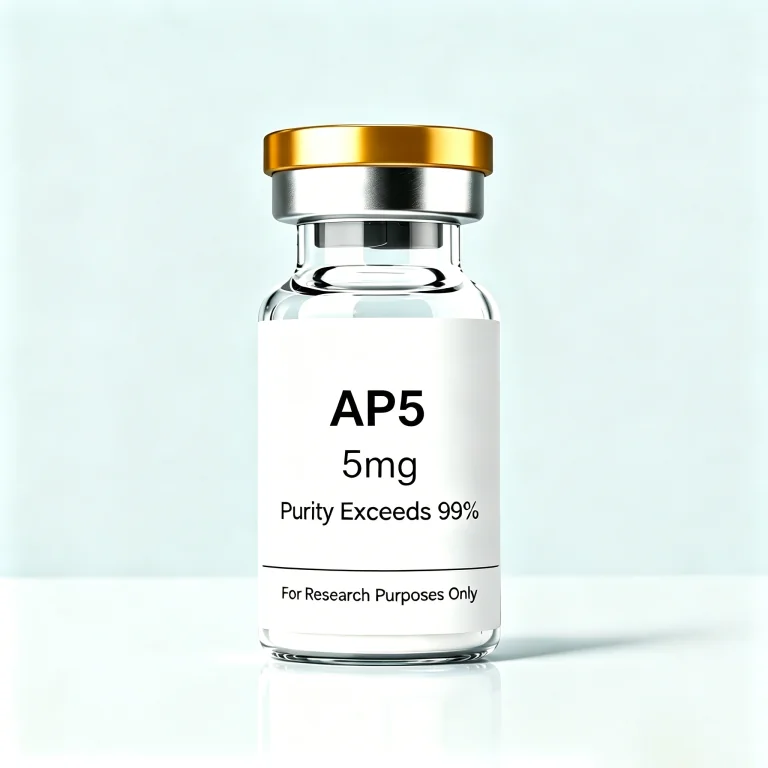
Available kit specifications: 2 mg × 10 vials; 5 mg × 10 vials. Select an option above to view its current price and availability.
Storage and handling
Source-listed storage condition: Store at 20°C to 25°C (Do not freeze). Follow the handling instructions supplied with the actual batch and your laboratory's procedures.
Analytical documentation
Contact us to request analytical documentation for the required material and batch. Confirm the material identity, batch number and test date when reviewing a report.
Scientific references
These publications describe the studied molecules and experimental models. They do not certify the identity, quality or effects of a particular supplied batch.
- Adipose-vascular targeting in obese primates
Gillian X. –
The 5mg vial size works perfectly for my dosing schedule, so I never waste leftover peptide. The buffered pH prevents clouding after mixing. This bulk pack offers great value, and I will keep reordering for my adipose tissue research.
Ulric X. –
The 5mg vial size is perfectly calibrated for my dosing trials, so I only reconstitute what I need for each experiment and avoid wasting mixed peptide. The buffered pH slows molecular breakdown significantly, cutting down raw material loss in repeated lab testing.
Brett S. –
This Adipotide AP2 is white lyophilized powder with acetate buffer. HPLC testing confirms purity is above 99%. The pH stays stable between 4.0–6.0 after mixing. I keep the vials at 20–25°C without freezing, and the peptide remains stable with no degradation.
Raina U. –
This peptide is ideal for adipose tissue and fat apoptosis research. The acetate buffer prevents rapid degradation after reconstitution. Its ~24-hour in vivo half-life perfectly matches published data. All glass vials arrived securely packaged with zero breakage during international transit.
Clara T. –
Every vial in this 10-pack has consistent potency. The powder dissolves fully into a clear liquid with no leftover sediment. The airtight vials block out moisture well, so the powder never clumps during long-term ambient storage.